Choosing a well drilling contractor is one of the most critical decisions you’ll make for your property. A properly drilled well provides decades of clean, reliable water. A poorly drilled well becomes a constant source of problems, expensive repairs, and potential health hazards. The difference often comes down to whether your contractor takes the job seriously or cuts corners to maximize profit.
Alaska property owners face unique challenges that make contractor selection even more critical. Permafrost, extreme temperatures, and remote locations demand specialized expertise that not every well drilling contractor possesses. When you’re investing thousands of dollars into a well that will serve your family or business for years to come, you need to identify warning signs before signing any contract.
Red Flag #1: No Valid License, Insurance, or Bonding
Alaska requires well drilling contractors to hold a general contractor’s license, though specific well drilling certification isn’t mandated at the state level. This regulatory gap means you’re responsible for verifying credentials yourself. A contractor operating without proper licensing is your first major warning sign.
Legitimate contractors carry comprehensive insurance coverage that protects both their workers and your property. At minimum, expect general liability insurance, workers’ compensation, and equipment coverage. When contractors avoid discussing insurance or can’t provide proof of current policies, they’re exposing you to massive financial risk.
If a worker gets injured on your property and the contractor lacks workers’ compensation, you could face lawsuits. If their equipment damages your land or structures without liability coverage, you’re paying for repairs. If their work causes contamination issues down the line, you’re stuck with remediation costs.
Several states require surety bonds for well drilling contractors, providing financial assurance that wells will be properly completed and abandoned according to regulations. While Alaska doesn’t mandate bonds, contractors who voluntarily carry them demonstrate professionalism and financial stability. Ask to see current certificates of insurance and bonding. If they hem and haw or promise to send documentation “later,” walk away.
Check with the National Ground Water Association (NGWA) for certified contractors in your area. NGWA certification requires passing technical exams and maintaining at least 24 months of full-time groundwater contracting experience, plus ongoing continuing education. The Alaska Water Well Association maintains a member directory that can help you identify established professionals.
Red Flag #2: Vague Contracts and Unclear Pricing
A legitimate well drilling contractor provides detailed, written contracts before starting work. These contracts should itemize every cost: drilling per foot, casing materials, grouting, pump installation, testing, disinfection, and any potential additional charges if drilling must go deeper than anticipated.
Contractors who offer only verbal agreements or hand you a one-page document with a lump sum are setting you up for disputes. Without clear specifications, you have no recourse when they use substandard materials, skip essential steps, or demand more money mid-project.
Your contract should specify exactly what happens if adequate water isn’t found at the expected depth. Will they drill deeper at a predetermined cost per foot? Is there a maximum depth limit? What happens if they hit saltwater or contaminants? Who pays for abandoning a failed well and drilling a second one?
Beware of contractors who pressure you to sign immediately or claim “this price is only good today.” Legitimate professionals understand that drilling a well is a major investment requiring careful consideration. They’ll give you time to review contracts, get second opinions, and verify their credentials.
The bait-and-switch tactic is common in contractor scams. They quote an artificially low price to win your business, then add numerous “unexpected” charges once equipment arrives on your property. By that point, many homeowners feel trapped and pay rather than starting over with a new contractor.
Red Flag #3: Inadequate or Poorly Maintained Equipment
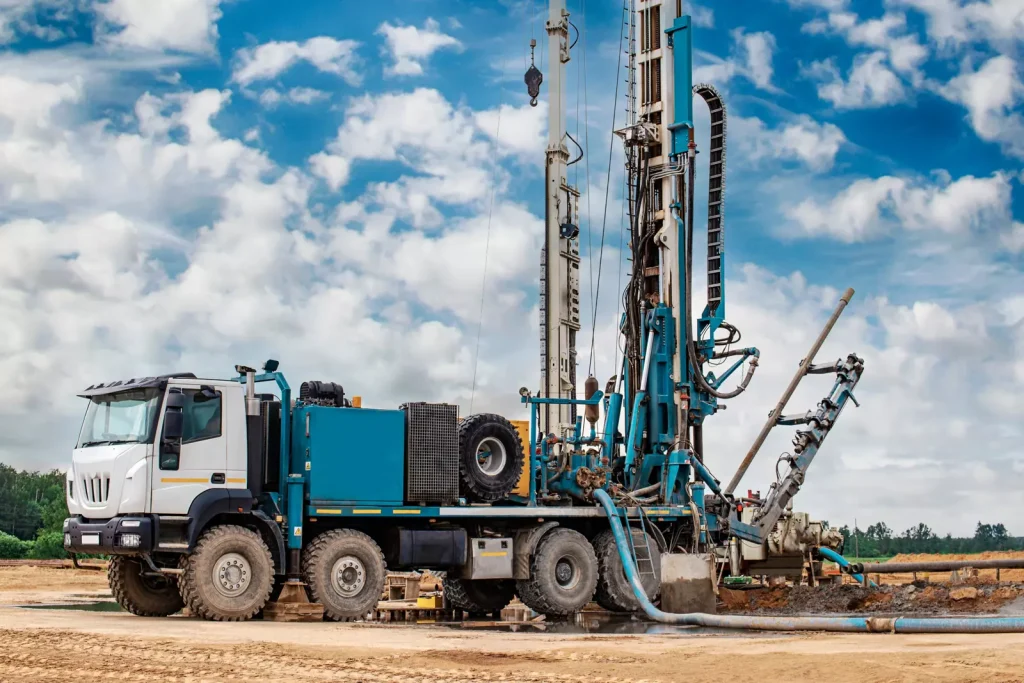
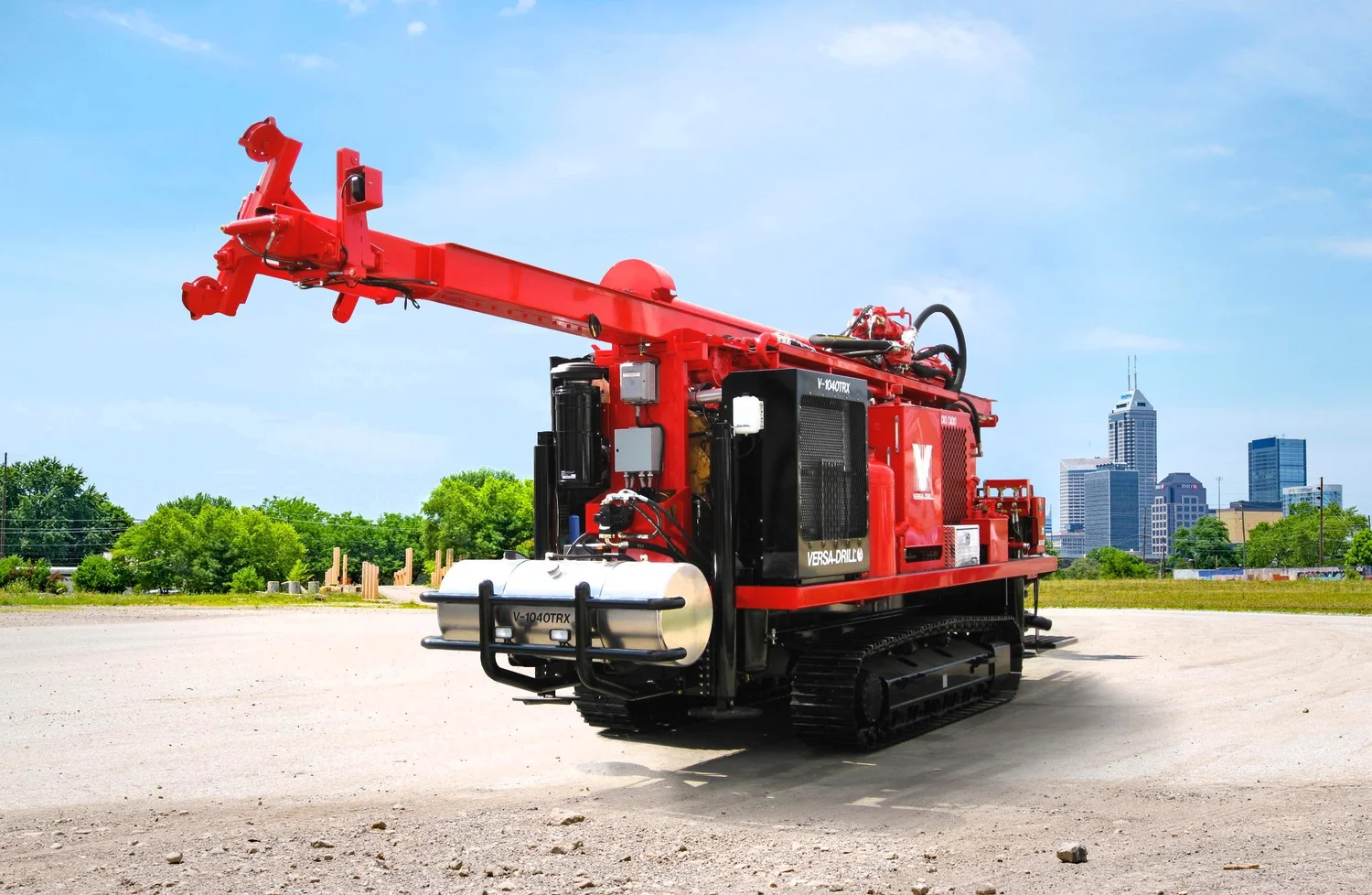
The equipment a well drilling contractor brings to your property tells you everything about their operation. Modern, well-maintained drilling rigs, properly stored drill pipes with thread protectors, and clean working conditions indicate professionalism. Rusty, damaged, or makeshift equipment signals corner-cutting that will compromise your well.
Professional drilling requires specialized equipment appropriate for local geology. In Alaska, contractors need rigs capable of drilling through permafrost and challenging subsurface conditions. They should explain which drilling method they’ll use and why it’s appropriate for your location.
Examine their drill pipe storage. Proper contractors store pipes horizontally on racks, use thread protectors to prevent damage, and regularly clean pipes to prevent rust. Pipes left scattered on the ground, uncapped, or showing visible corrosion indicate careless practices that lead to contamination and equipment failure.
Ask about their equipment maintenance schedule. Legitimate operations follow planned maintenance programs for all critical equipment and keep detailed service records. Drilling equipment experiences tremendous stress and vibration during operation. Without regular maintenance, equipment failures become inevitable, causing project delays, additional costs, and potentially dangerous situations.
Check whether their rig displays current inspection stickers and safety certifications. Professional contractors maintain compliance with occupational safety standards and regularly inspect lifting equipment, chains, hooks, and pressure systems. If they can’t or won’t discuss equipment maintenance, assume they’re cutting corners.
Red Flag #4: Lack of Local Knowledge and Experience
Well drilling success depends heavily on understanding local geology, groundwater conditions, and seasonal variations. A contractor who can’t discuss your area’s specific characteristics in detail lacks the expertise to drill your well properly.
Ask prospective contractors how many wells they’ve drilled within a few miles of your property. Request specific examples of challenges they’ve encountered in your area and how they addressed them. Legitimate contractors should reference aquifer depths, common water table fluctuations, permafrost conditions, and seasonal considerations without hesitation.
Alaska’s geology varies dramatically across regions. A contractor experienced in Southcentral Alaska’s conditions may lack knowledge of Southeast Alaska’s challenges. Winter drilling in Alaska requires specialized techniques to prevent casing damage from extreme cold and ice formation. Contractors who claim they can drill anywhere, anytime, without acknowledging regional differences are either inexperienced or dishonest.
Check whether they’ve submitted well logs to the Department of Natural Resources. Alaska requires contractors to file well completion reports in the Water Well Logging and Tracking System (WELTS). These reports contain valuable information about nearby wells, including depth, yield, and geological formations encountered. Contractors should reference this data when planning your well.
Ask how they’ll handle Alaska-specific challenges like permafrost. Drilling through permafrost requires specialized techniques and equipment to prevent well casing damage and ensure long-term stability. If they dismiss these concerns or claim permafrost “isn’t really an issue,” they lack the expertise your project demands.
Red Flag #5: Skipping Essential Testing and Documentation
Professional well drilling contractors don’t just drill a hole and walk away. They perform comprehensive testing, provide detailed documentation, and ensure your well meets all applicable standards before considering the job complete.
After drilling, contractors should conduct yield testing to verify your well produces adequate water volume. This involves measuring gallons per minute at sustained pumping rates, observing drawdown levels, and monitoring recovery times. A contractor who declares success after hitting water without proper testing leaves you vulnerable to low-yield problems later.
Water quality testing is essential, even if not legally required for private wells. Professional contractors either conduct basic testing themselves or recommend local laboratories. At minimum, test for coliform bacteria, nitrates, and any contaminants common in your area. Alaska groundwater may contain naturally occurring arsenic in certain regions, making baseline testing particularly important.
Your contractor must provide a complete well completion report documenting every aspect of construction: total depth, casing specifications, screen placement, grouting details, static water level, pumping test results, and geology encountered at various depths. This report belongs to you and should be filed with the Department of Natural Resources.
Disinfection is a non-negotiable final step. The drilling process introduces bacteria into your well. Shock chlorination eliminates these contaminants and ensures safe drinking water from day one. Contractors who skip disinfection or claim “the water looks clear so it’s fine” are compromising your health.
Beware of contractors who refuse to provide well logs or claim they’ll “get around to filing paperwork later.” These documents protect you legally and provide invaluable information for future maintenance, repairs, or property sales. Their absence suggests the contractor wants to avoid scrutiny of their work.
Protecting Your Investment
Spotting these red flags before signing a contract can save you from costly mistakes and years of water supply problems. Alaska’s challenging conditions and regulatory environment make due diligence even more critical than in other states.
Take time to interview multiple contractors, verify credentials, check references from recent customers, and review detailed written proposals. Don’t let anyone pressure you into rushed decisions. A properly drilled well costs several thousand dollars, but fixing a botched well costs far more.
Remember that the lowest bid often reflects corners being cut somewhere. Contractors who underbid competitors typically reduce costs by skipping essential steps, using inferior materials, or lacking proper insurance. The few hundred or thousand dollars you save upfront become tens of thousands in repairs, or worse, a completely failed well requiring replacement.
Your well drilling contractor should view the relationship as a long-term partnership, not a one-time transaction. They should be available for future maintenance, willing to answer questions years after installation, and committed to your well’s success over decades of operation.
Ready to work with a well drilling contractor who does things right? Check out our residential well drilling and commercial well drilling services today for a free estimate, or call us to discuss your water well needs with Alaska’s trusted drilling experts. Since 1978, we’ve been delivering reliable well drilling solutions built to last in Alaska’s challenging conditions.