
When you see well inspection quotes ranging from $150 to $600, the temptation to save money is understandable. But treating a well inspection like a commodity purchase is a mistake that costs Alaska homeowners thousands of dollars in repairs, health issues, and property value losses.
A well inspection isn’t just about checking a box for a real estate transaction. It’s an investment in your family’s health and your property’s value—and the difference between a thorough inspection and a cheap one can be catastrophic.
What You Actually Pay for in a Well Inspection
In Alaska, professional well inspection costs typically range from $300 to $600, with most homeowners paying around $400 to $500 for a comprehensive inspection. That might sound expensive compared to the $150 to $200 quotes you see online. But here’s what you’re actually buying.
A legitimate well inspection isn’t just someone showing up, looking at your wellhead, and filling out a checklist. It’s a systematic evaluation of your entire water system performed by someone who knows what they’re looking for and has the equipment to find it.
The Components of a Real Well Inspection
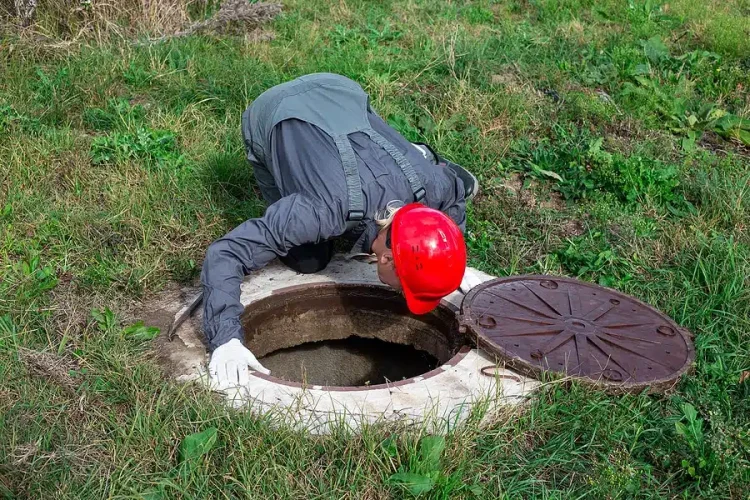
A proper Alaska well inspection includes visual examination of the well casing, cap, gaskets, seals, and surrounding area. The inspector checks for cracks, corrosion, or signs of surface water intrusion. They test mechanical components including the pump motor, pressure gauges, relief valves, and all piping. Electrical systems get scrutinized—control boxes, capacitors, connections, and wiring.
Then comes the flow test. This evaluates your system’s output and pump performance, measuring whether your well can actually deliver the water your household needs. Finally, water samples are collected for laboratory analysis to check for bacterial contamination, nitrates, arsenic, and other common Alaska groundwater contaminants.
When someone quotes you $150 for a “well inspection,” ask yourself which of these steps they’re skipping. Because they’re skipping something.
The Alaska Factor: Why Location Matters
Alaska’s unique geology makes well inspections more complex than in other states. Interior Alaska, the Kenai Peninsula, and Southcentral regions have naturally occurring arsenic in groundwater. The Mat-Su Valley deals with nitrate contamination from septic systems. Permafrost areas require specialized knowledge about frost heave and casing integrity.
A cheap inspector probably doesn’t have experience with these regional issues. They might not know that arsenic levels above 10 parts per billion require immediate treatment, or that seasonal nitrate fluctuations near 5.0 mg/L warrant twice-yearly testing. They’re certainly not checking for iron bacteria, which clogs systems throughout Alaska and requires specific remediation techniques.
What Cheap Inspections Actually Cost
Here’s the math that discount inspectors don’t show you. A basic well pump replacement in Alaska runs $1,500 to $4,000. If contamination requires drilling a new well, you’re looking at $12,000 to $50,000 depending on depth and location. Water treatment systems for arsenic, iron, or bacterial issues cost $1,000 to $5,000 to install, plus ongoing maintenance.
A Wasilla homeowner learned this the hard way. She paid $175 for a pre-purchase well inspection in 2024. The inspector signed off on everything. Six months after closing, her well pump failed. When the replacement crew pulled the old pump, they found the pressure tank had lost its air charge years ago, the check valve was corroded through, and sediment had built up in the well casing. A proper inspection would have caught all three issues.
The repairs cost $3,200. The real estate attorney fees to pursue the inspector cost another $1,500 before she gave up because the inspector’s insurance only covered $5,000 and he had two other claims pending.
The Hidden Costs of Inadequate Water Testing
The well inspection price difference often comes down to water testing. Professional inspections include comprehensive laboratory analysis. Budget inspections either skip testing entirely or use unreliable field test kits.
Alaska’s most dangerous contaminants don’t announce themselves. Coliform bacteria can indicate fecal contamination and the presence of other harmful organisms. Nitrates are tasteless and odorless but particularly dangerous to infants and pregnant women. Arsenic has no taste, no smell, and no color, yet long-term exposure causes cancer and cardiovascular disease.

Field test kits that cost $20 to $75 only give you a present/not present result. They can’t tell you if your arsenic level is 5 parts per billion or 50. They can’t quantify nitrate levels. They can’t identify specific bacterial strains. A proper well inspection sends samples to state-certified laboratories that provide exact measurements and detailed analysis.
The Alaska Department of Environmental Conservation doesn’t regulate private well water quality. That responsibility falls entirely on you as the homeowner. Choosing an inspector who cuts corners on water testing means gambling with your family’s health.
Why Certification and Experience Matter
Alaska has no state licensing requirement specifically for well inspectors, which is precisely why you need to be more careful about who you hire. Professional well inspectors typically hold certifications from the National Ground Water Association (NGWA), the Water Systems Council, or InterNACHI. They carry proper insurance—both general liability and errors and omissions coverage.
An NGWA Certified Well Driller has passed rigorous examinations covering hydrogeology, well construction, pump installation, and water quality. A Master Groundwater Contractor (MGWC) has achieved the highest level of certification available. These credentials represent years of training and field experience.
When you hire the cheapest inspector, you’re probably hiring someone without these qualifications. Maybe they’re a general home inspector who added “well inspection” to their service list. Maybe they’re a handyman who owns a test kit. Or maybe they’re a well driller who doesn’t want to spend money on continuing education and proper equipment.
What Proper Equipment Actually Costs
Professional well inspectors in Alaska invest tens of thousands of dollars in specialized equipment. They own calibrated flow meters, pressure gauges, and water level measuring devices. They have downhole video cameras that can inspect casing integrity 500 feet below ground. They carry portable water testing equipment that provides preliminary results before lab confirmation.
They maintain submersible pumps for collecting water samples at various depths. They own soil sampling equipment for checking the area around wellheads. They have infrared thermometers for checking pump motors and electrical testing equipment for diagnosing control system issues.
A discount inspector shows up with a flashlight and a clipboard. Ask yourself which one is more likely to find problems.
The Real Estate Transaction Factor
If you’re buying or selling a home, the well inspection becomes even more critical. FHA and VA loans require well and septic inspections. Real estate contracts typically include contingencies based on well condition. Title companies want documentation that the well meets current standards.
A cheap inspection can kill your real estate deal in multiple ways. If the buyer’s lender requires a more thorough inspection later, problems you thought were resolved suddenly become deal-breakers. If undisclosed well issues surface after closing, you face potential litigation. If the inspection doesn’t meet Municipality of Anchorage or other local requirements, you’ll need to pay for another one anyway.
We’ve seen sellers pay for discount inspections, only to have buyers’ lenders reject the reports because the inspector lacked proper credentials or didn’t follow industry standards. The seller then pays for a second inspection—negating any savings from going cheap the first time—while the buyer’s trust in the transaction evaporates.
The Liability Question
Professional well inspectors carry errors and omissions insurance specifically because they understand the stakes. If they miss something significant, their insurance covers the resulting damages. They also maintain detailed records, provide comprehensive written reports, and follow standardized inspection protocols.
Budget inspectors often lack adequate insurance coverage. Even when they carry some coverage, policy limits are typically low—$5,000 to $10,000. When a missed contamination issue leads to illness or a failed pump causes water damage, those limits won’t come close to covering actual damages.
More importantly, pursuing legal action against an underinsured inspector is expensive and often futile. You’ll spend thousands on attorney fees trying to recover from someone who doesn’t have the assets to pay a judgment.
What to Look for in a Well Inspector
Rather than shopping by price, evaluate inspectors based on what actually matters. Ask about their certifications—NGWA, Water Systems Council, or similar professional credentials. Request proof of insurance and verify coverage amounts. Check references from recent clients, not just testimonials on their website.
Find out what their inspection includes. Do they perform flow testing? What laboratory do they use for water analysis? What contaminants do they test for? How detailed is their written report? Can they explain their findings in person?
Ask about their experience with Alaska-specific issues. How many wells have they inspected in your area? Are they familiar with local geology and common contaminants? Do they understand permafrost considerations if applicable?
Inquire about their equipment. Do they have video inspection capability? What brands of testing equipment do they use? When was their equipment last calibrated?
The Value of a Thorough Inspection
A comprehensive well inspection gives you leverage in real estate negotiations. If problems exist, you can request repairs, price adjustments, or walk away from a bad deal. It protects you from inheriting expensive problems. It provides documentation for insurance purposes and future reference.
For existing homeowners, regular well inspections catch problems early when they’re cheaper to fix. A $500 inspection that identifies a failing check valve saves you from a $2,500 emergency pump replacement. Water testing that catches contamination early prevents health issues that could cost thousands in medical bills.
Professional inspections also provide peace of mind. You know your family’s water is safe. You know your well system is functioning properly. You have documentation proving your well meets all applicable standards.
Common Ways Cheap Inspectors Cut Corners
Understanding how discount inspectors reduce costs helps you spot warning signs. They skip the flow test entirely or use inadequate methods. They don’t collect water samples, or they use unreliable field test kits instead of laboratory analysis. They perform only visual inspections without testing mechanical or electrical components.
They spend 30 minutes on site instead of the two to three hours a thorough inspection requires. They provide minimal written reports—maybe a one-page checklist instead of comprehensive documentation with photographs and laboratory results. They don’t carry video inspection equipment and can’t check casing integrity below ground level.
Some claim to test for everything but actually only check for bacteria. Others collect water samples but send them to cut-rate labs that don’t follow proper protocols. Many don’t have the knowledge to interpret results correctly or identify regional contamination patterns.
The Annual Inspection Recommendation
The National Ground Water Association recommends annual well inspections to maintain water safety and system reliability. Alaska’s challenging conditions make this even more important. Seasonal ground movement affects casing integrity. Temperature extremes stress pumps and pressure systems. Surface runoff from spring melt can introduce contamination.
Annual inspections let you track changes over time. Rising nitrate levels indicate developing problems before they become critical. Declining flow rates suggest sediment buildup or pump wear. Bacterial contamination caught early can often be resolved with simple chlorination rather than expensive treatment systems.
The cost of annual inspections is minor compared to emergency repairs or water quality crises. Think of it like changing your vehicle’s oil—regular maintenance prevents catastrophic failures.
Questions to Ask Before Hiring
Before committing to any well inspector, ask these specific questions. What certifications do you hold? Are you licensed and bonded? What does your errors and omissions insurance cover and what are the policy limits? How many well inspections do you perform annually?
What does your standard inspection include? Do you test water quality, and if so, which contaminants? Which laboratory do you use? How long will the inspection take? When will I receive the written report and what information will it contain?
What equipment do you bring to the inspection? Can you perform video inspection of the well casing? What is your experience with Alaska-specific well issues? Can you provide references from recent inspections in my area?
If an inspector hesitates to answer these questions or provides vague responses, that’s your signal to keep looking.
When to Walk Away from a Deal
Some pricing is so low it signals incompetence or fraud. If someone quotes less than $250 for a full well inspection with water testing in Alaska, they’re either lying about what they’ll actually do or they lack the knowledge and equipment to do it properly. Professional laboratory water testing alone costs $100 to $350.
If an inspector can’t provide proof of insurance, don’t hire them. If they won’t give you references, find someone else. If they claim they can inspect your well in 30 minutes, they’re cutting corners. If they don’t explain their process or answer your questions clearly, they probably don’t understand what they’re doing.
Walk away from inspectors who pressure you to book immediately or claim they’re giving you a special discount. Professional inspectors earn steady business through quality work and referrals. They don’t need to use high-pressure sales tactics.
The Bottom Line on Well Inspection Costs
Yes, $400 to $600 for a well inspection costs more than $150 to $200. But you’re not buying the same service. The cheaper option is like comparing a thorough medical examination to someone checking your temperature at a drive-through.
Your well provides all the water your family drinks, cooks with, and bathes in. It’s a critical component of your home’s value. When it fails, replacement costs run into tens of thousands of dollars. When contamination goes undetected, the health consequences can be severe and the liability significant.
The price difference between adequate and inadequate well inspections is a few hundred dollars. The cost difference between catching problems early and dealing with emergencies is thousands or tens of thousands of dollars. The value of knowing your family’s water is safe is incalculable.
Take the Next Step
Don’t gamble with your family’s health or your property’s value. Get a well inspection from professionals who know what they’re doing, use proper equipment, and stand behind their work.
Explore our well inspection services to schedule a comprehensive evaluation of your well system by experienced, certified professionals. Or call us at (907) 830-9985 to discuss your specific situation and get answers to your questions from Alaska’s water well experts who’ve been serving homeowners since 1979.
